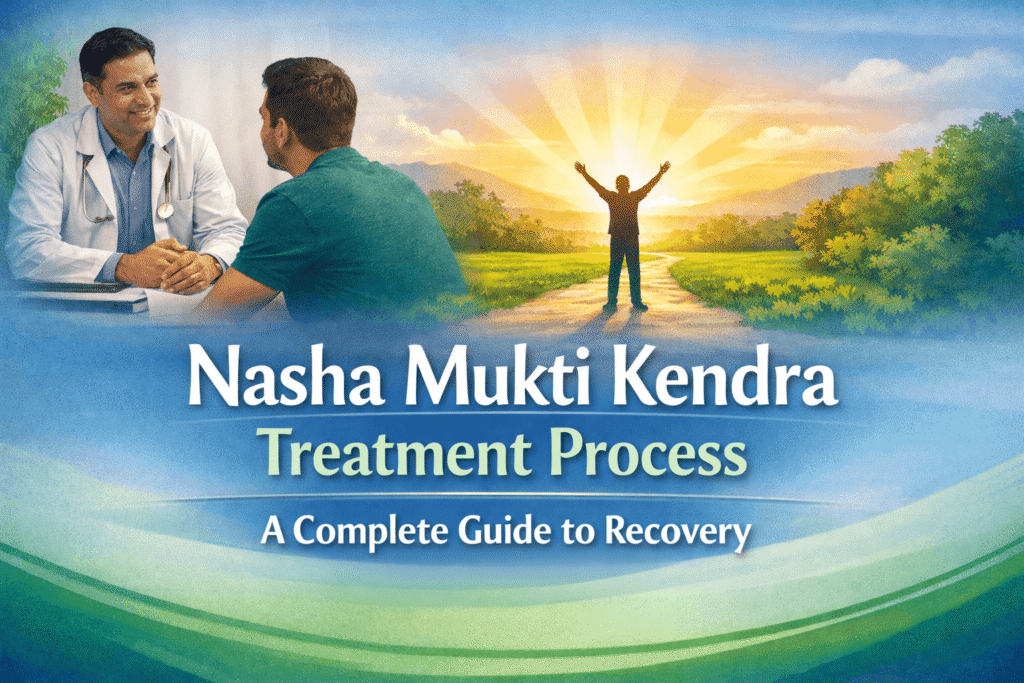
Addiction is not just a bad habit—it is a complex physical, emotional, and psychological condition that affects every aspect of a person’s life. Whether it is alcohol, drugs, or any other substance, addiction can damage health, relationships, career, and mental well-being. This is where a Nasha Mukti Kendra (De-addiction Centre) plays a crucial role.
Understanding the treatment process of a Nasha Mukti Kendra can help individuals and families take the first step toward recovery with confidence. In this detailed guide, we will explain how professional rehab centers work and how they help people achieve a substance-free life.
What is a Nasha Mukti Kendra?
A Nasha Mukti Kendra is a specialized rehabilitation center designed to help individuals overcome addiction. These centers provide structured programs, medical care, counseling, and emotional support to guide patients through recovery.
Unlike trying to quit at home, these centers offer a safe and controlled environment where patients can focus entirely on healing without external triggers.
Why Professional Treatment is Important
Many people believe they can quit addiction on their own, but withdrawal symptoms and psychological cravings make it extremely difficult. A professional treatment center ensures:
- Medical supervision during detox
- Emotional and psychological support
- Reduced risk of relapse
- Structured daily routine
- Long-term recovery strategies
Professional care increases the chances of successful and lasting recovery.
Step-by-Step Nasha Mukti Kendra Treatment Process
Let’s understand the complete treatment journey followed in most rehabilitation centers.
1. Initial Assessment and Diagnosis
The first step in the treatment process is a detailed assessment.
What happens in this stage:
- Medical history evaluation
- Addiction severity analysis
- Mental health assessment
- Lifestyle and behavioral study
Doctors and counselors work together to understand the patient’s condition and create a personalized treatment plan.
Why it is important:
Every individual is different. A customized plan ensures the treatment addresses specific needs and challenges.
2. Detoxification (Detox)
Detox is the process of removing harmful substances from the body.
Key aspects:
- Conducted under medical supervision
- Helps manage withdrawal symptoms
- May involve medications for safety and comfort
Common withdrawal symptoms:
- Anxiety
- Nausea
- Sweating
- Insomnia
- Mood swings
Detox is often the most challenging phase, but it is a crucial first step toward recovery.
3. Medical Treatment and Stabilization
After detox, the body begins to stabilize.
What this includes:
- Ongoing medical monitoring
- Medication (if required)
- Treatment for co-existing health issues
Many individuals suffer from conditions like depression or anxiety along with addiction. Treating these conditions is essential for long-term recovery.
4. Counseling and Therapy
This is the core of the recovery process.
Types of therapies used:
Individual Therapy
One-on-one sessions with a counselor to:
- Identify root causes of addiction
- Build coping strategies
- Address emotional trauma
Group Therapy
Patients share experiences and support each other. This helps:
- Reduce feelings of isolation
- Build confidence
- Learn from others’ journeys
Family Therapy
Addiction affects the entire family. Family counseling:
- Repairs relationships
- Educates family members
- Creates a supportive home environment
5. Behavioral Therapy
Behavioral therapies help change negative thought patterns and habits.
Common approaches:
- Cognitive Behavioral Therapy (CBT)
- Motivational Enhancement Therapy
- Relapse Prevention Therapy
These therapies help patients:
- Recognize triggers
- Control cravings
- Develop healthier habits
6. Holistic and Wellness Activities
Modern Nasha Mukti Kendras focus on overall well-being, not just addiction.
Activities include:
- Yoga and meditation
- Physical exercise
- Art and music therapy
- Mindfulness practices
These activities help:
- Reduce stress
- Improve mental clarity
- Build emotional strength
7. Skill Development and Routine Building
Recovery is not just about quitting substances—it’s about rebuilding life.
Focus areas:
- Time management
- Communication skills
- Career guidance
- Daily routine discipline
Patients learn how to live a structured and productive life without dependency.
8. Relapse Prevention Planning
Relapse is one of the biggest challenges in addiction recovery.
This stage includes:
- Identifying triggers (people, places, situations)
- Learning coping strategies
- Emergency action plans
- Stress management techniques
Patients are trained to handle real-life situations without falling back into addiction.
9. Aftercare and Follow-Up Support
Recovery does not end after leaving the rehab center.
Aftercare services include:
- Regular counseling sessions
- Support group meetings
- Follow-up checkups
- 24/7 support (in some centers)
Aftercare ensures that patients stay on the path of recovery and avoid relapse.
Duration of Treatment
The duration of treatment varies depending on the individual.
Common programs:
- 7–10 days (Detox programs)
- 30 days (Short-term rehab)
- 60–90 days (Long-term rehab)
Longer programs generally offer better outcomes as they provide deeper healing.
Benefits of Nasha Mukti Kendra Treatment
Choosing a professional rehab center offers several advantages:
1. Safe Environment
Patients stay away from triggers and harmful influences.
2. Expert Guidance
Qualified doctors, therapists, and counselors provide professional care.
3. Emotional Support
Patients feel understood and supported throughout the journey.
4. Structured Routine
A disciplined lifestyle helps in faster recovery.
5. Higher Success Rate
Professional treatment significantly reduces relapse chances.
Signs You or a Loved One Needs Treatment
Recognizing addiction early can save lives.
Common warning signs:
- Loss of control over substance use
- Neglecting responsibilities
- Mood swings and aggression
- Isolation from family and friends
- Financial problems
- Health issues
If you notice these signs, seeking help from a Nasha Mukti Kendra is the right step.
How to Choose the Right Nasha Mukti Kendra
Not all rehab centers are the same. Choosing the right one is crucial.
Factors to consider:
- Experienced medical staff
- Customized treatment programs
- Clean and safe environment
- Positive reviews and success stories
- Aftercare support
A good center focuses not just on detox but on complete recovery.
Challenges During the Treatment Process
Recovery is not always easy.
Common challenges:
- Withdrawal discomfort
- Emotional breakdowns
- Cravings and urges
- Fear of change
However, with proper support and guidance, these challenges can be overcome.
Role of Family in Recovery
Family plays a vital role in the recovery journey.
How family can help:
- Provide emotional support
- Avoid blame and judgment
- Encourage treatment completion
- Participate in counseling sessions
A supportive family environment increases the chances of long-term success.
Life After Recovery
Recovery opens the door to a new life.
Positive changes include:
- Improved physical health
- Better mental clarity
- Stronger relationships
- Career growth
- Increased self-confidence
With continued effort and support, individuals can lead a happy and addiction-free life.
FAQs
1. What is the first step in the treatment process?
The first step is a detailed assessment to understand the patient’s condition and create a personalized treatment plan.
2. Is detox painful?
Detox can be uncomfortable, but medical supervision ensures safety and helps manage symptoms effectively.
3. How long does treatment take?
It depends on the severity of addiction. Programs typically range from 7 days to 90 days or more.
4. Can addiction be cured completely?
Addiction is manageable with proper treatment and lifestyle changes. Long-term recovery is possible with continuous support.
5. Is family involvement necessary?
Yes, family support plays a crucial role in successful recovery and relapse prevention.
Conclusion
The Nasha Mukti Kendra treatment process is a structured and comprehensive approach designed to help individuals overcome addiction safely and effectively. From detoxification to therapy and aftercare, every step is carefully planned to ensure long-term recovery.
Seeking professional help is not a sign of weakness—it is the first step toward a healthier, happier life. If you or someone you know is struggling with addiction, taking action today can make all the difference.