
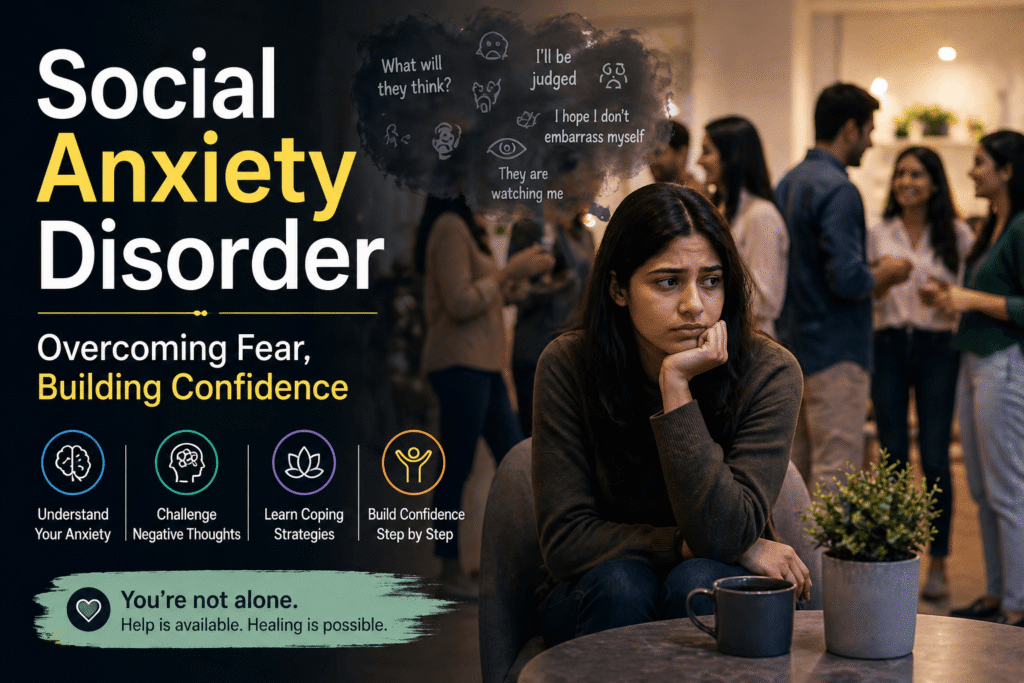
Social Anxiety Disorder (SAD), also known as social phobia, is more than just shyness or occasional nervousness in social situations. It is a persistent mental health condition that causes intense fear, self-consciousness, and avoidance of social interactions. For individuals struggling with social anxiety, even simple activities like speaking in public, meeting new people, or attending gatherings can feel overwhelming.
In this comprehensive guide, we will explore what Social Anxiety Disorder is, its causes, symptoms, and the most effective ways to manage and treat it.
What is Social Anxiety Disorder?
Social Anxiety Disorder is a mental health condition characterized by an intense fear of being judged, embarrassed, or negatively evaluated in social situations. People with SAD often worry excessively about how they are perceived by others, which leads to avoidance of social interactions.
Unlike normal nervousness, this anxiety is persistent, intense, and can interfere with daily life, relationships, education, and career opportunities.
How Common is Social Anxiety Disorder?
Social Anxiety Disorder is one of the most common anxiety disorders worldwide. It typically begins during adolescence or early adulthood, although it can affect people of all ages.
Many individuals do not seek help because they believe their symptoms are just part of their personality. However, untreated social anxiety can worsen over time and significantly impact quality of life.
Causes of Social Anxiety Disorder
There is no single cause of Social Anxiety Disorder. Instead, it develops due to a combination of biological, psychological, and environmental factors.
1. Genetic Factors
If a close family member has anxiety disorders, the chances of developing SAD may increase.
2. Brain Structure
The amygdala, a part of the brain responsible for fear response, may be overactive in individuals with social anxiety.
3. Negative Experiences
Past experiences such as bullying, humiliation, or criticism can contribute to the development of social anxiety.
4. Parenting Style
Overprotective or highly critical parenting may increase vulnerability to anxiety disorders.
5. Learned Behavior
Observing anxious behavior in others can influence the development of similar patterns.
Symptoms of Social Anxiety Disorder
Symptoms of SAD can be emotional, physical, and behavioral.
Emotional Symptoms
- Intense fear of social situations
- Constant worry about embarrassment
- Fear of being judged or rejected
- Low self-esteem
Physical Symptoms
- Rapid heartbeat
- Sweating
- Trembling
- Blushing
- Nausea
- Difficulty speaking
Behavioral Symptoms
- Avoiding social gatherings
- Avoiding eye contact
- Difficulty speaking in public
- Staying silent in group settings
These symptoms can vary in severity but often lead to significant distress.
Common Triggers of Social Anxiety
People with SAD may experience anxiety in situations such as:
- Public speaking
- Meeting new people
- Attending parties or social events
- Talking to authority figures
- Eating or drinking in front of others
- Using public restrooms
Even anticipation of these situations can cause anxiety.
Impact of Social Anxiety Disorder
If left untreated, Social Anxiety Disorder can affect multiple areas of life:
1. Relationships
Difficulty forming and maintaining relationships due to fear of interaction.
2. Career Growth
Avoidance of presentations, meetings, or networking opportunities can limit career advancement.
3. Education
Students may struggle with class participation or presentations.
4. Mental Health
SAD often coexists with depression, substance abuse, or other anxiety disorders.
Difference Between Shyness and Social Anxiety
While shyness is a personality trait, Social Anxiety Disorder is a clinical condition.
| Shyness | Social Anxiety Disorder |
|---|---|
| Mild discomfort | Intense fear |
| Temporary | Persistent |
| Does not affect life significantly | Interferes with daily functioning |
Understanding this difference is important for seeking appropriate help.
Diagnosis of Social Anxiety Disorder
A mental health professional diagnoses SAD based on:
- Detailed psychological evaluation
- Duration and severity of symptoms
- Impact on daily life
Symptoms must persist for at least six months and cause significant distress or impairment.
Treatment Options for Social Anxiety Disorder
The good news is that Social Anxiety Disorder is treatable. With the right approach, individuals can regain confidence and improve their quality of life.
1. Cognitive Behavioral Therapy (CBT)
Cognitive Behavioral Therapy (CBT) is one of the most effective treatments for social anxiety. It helps individuals:
- Identify negative thought patterns
- Challenge irrational fears
- Develop healthier thinking habits
2. Exposure Therapy
This involves gradually facing feared social situations in a controlled and supportive environment.
3. Medications
Doctors may prescribe medications such as:
- Antidepressants
- Anti-anxiety medications
- Beta-blockers (for physical symptoms)
Medication is often combined with therapy for better results.
4. Group Therapy
Group therapy provides a safe space to practice social skills and interact with others facing similar challenges.
5. Lifestyle Changes
Healthy habits can significantly reduce anxiety:
- Regular exercise
- Balanced diet
- Adequate sleep
- Limiting caffeine and alcohol
Self-Help Strategies for Managing Social Anxiety
In addition to professional treatment, individuals can take steps to manage symptoms:
1. Practice Deep Breathing
Helps calm the nervous system during anxiety.
2. Challenge Negative Thoughts
Replace self-critical thoughts with realistic ones.
3. Start Small
Gradually engage in social situations instead of avoiding them.
4. Improve Social Skills
Practice conversations and communication techniques.
5. Stay Present
Focus on the moment rather than worrying about judgment.
Role of Counseling in Social Anxiety
Counseling plays a vital role in helping individuals:
- Understand their fears
- Develop coping strategies
- Build confidence
- Improve communication skills
Professional guidance ensures structured and effective recovery.
Social Anxiety and Addiction
Some individuals with social anxiety may turn to alcohol or drugs to cope with their fear. While this may provide temporary relief, it can lead to addiction and worsen mental health.
Treating both conditions simultaneously is essential for long-term recovery.
When to Seek Help
You should consider seeking professional help if:
- Anxiety interferes with daily life
- You avoid important activities
- Symptoms are persistent and intense
- You rely on substances to cope
Early intervention can prevent complications.
Living with Social Anxiety Disorder
Living with social anxiety can be challenging, but recovery is possible. With proper treatment, support, and self-awareness, individuals can lead fulfilling and confident lives.
Progress may be gradual, but every small step matters.
FAQs About Social Anxiety Disorder
1. What is Social Anxiety Disorder?
It is a mental health condition involving intense fear of social situations and being judged by others.
2. Is social anxiety the same as shyness?
No, social anxiety is more severe and interferes with daily life.
3. Can Social Anxiety Disorder be cured?
While it may not completely disappear, it can be effectively managed with treatment.
4. What triggers social anxiety?
Situations like public speaking, meeting new people, or being observed can trigger anxiety.
5. How long does treatment take?
It varies, but many people see improvement within a few months of therapy.
6. Can medication help?
Yes, medications can reduce symptoms, especially when combined with therapy.
7. Is Social Anxiety Disorder common?
Yes, it is one of the most common anxiety disorders.
8. Can children have social anxiety?
Yes, it often begins in childhood or adolescence.
9. Does social anxiety go away on its own?
It may persist or worsen without treatment.
10. How can I help someone with social anxiety?
Be supportive, avoid judgment, and encourage professional help.
Conclusion
Social Anxiety Disorder is a serious but treatable condition that affects millions of people worldwide. It goes beyond simple nervousness and can deeply impact personal and professional life.
The good news is that with the right combination of therapy, lifestyle changes, and support, individuals can overcome their fears and build meaningful connections. Seeking help is not a sign of weakness—it is the first step toward a more confident and fulfilling life.
If you or someone you know is struggling with social anxiety, don’t ignore the signs. Early intervention can make a significant difference and open the door to lasting recovery.