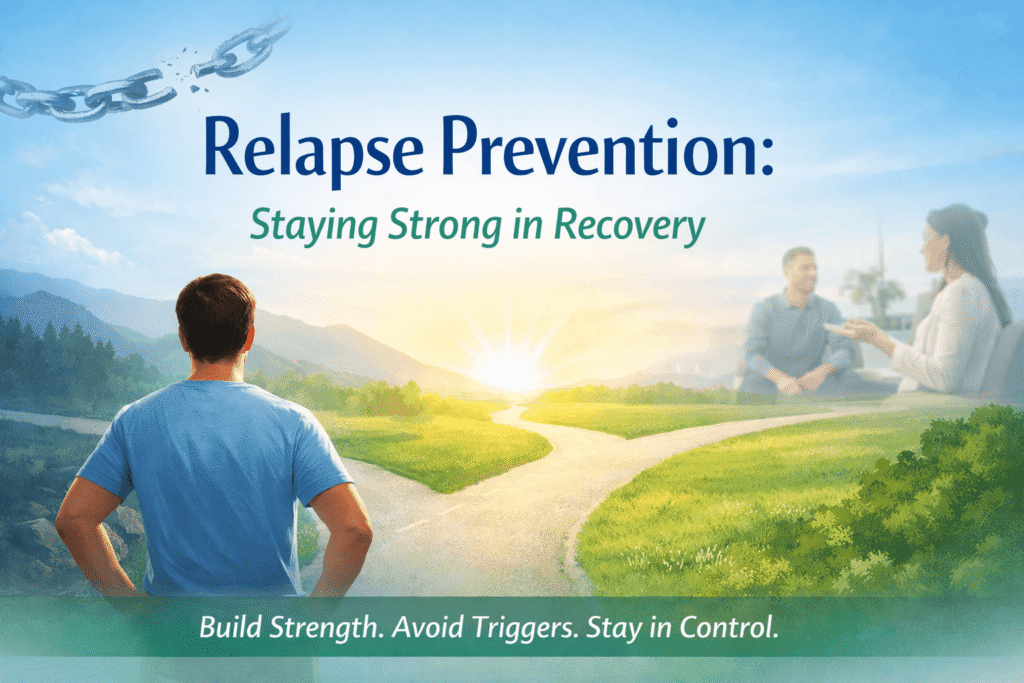
Recovery from addiction is a powerful and life-changing journey—but it doesn’t end after detox or initial treatment. One of the most critical aspects of long-term recovery is relapse prevention. Understanding how relapse works and learning how to manage triggers, cravings, and emotional challenges can make the difference between lasting recovery and repeated setbacks.
This guide will walk you through everything you need to know about relapse prevention, including its stages, warning signs, strategies, and practical tools to stay sober and strong.
What Is Relapse?
Relapse is not just the act of using drugs or alcohol again. It is a gradual process that begins long before physical use happens. It often starts with emotional and mental shifts that slowly lead a person back to substance use.
Relapse is common in recovery, but it is not a failure. Instead, it is a sign that certain coping strategies need strengthening.
The Three Stages of Relapse
Understanding relapse as a process helps you intervene early and prevent it altogether. There are three main stages:
1. Emotional Relapse
At this stage, a person is not thinking about using substances, but their emotions and behaviors may set the foundation for relapse.
Signs include:
- Bottling up emotions
- Isolation from friends or support groups
- Poor sleep habits
- Increased stress or anxiety
- Neglecting self-care
2. Mental Relapse
Here, the internal struggle begins. Part of the mind wants to stay sober, while another part starts thinking about using again.
Signs include:
- Craving substances
- Thinking about past use
- Romanticizing old habits
- Planning situations where relapse might occur
- Lying or hiding thoughts
3. Physical Relapse
This is the final stage where a person actually uses drugs or alcohol again.
By the time physical relapse occurs, the process has already been building for some time.
Why Relapse Happens
Relapse can occur due to multiple reasons, often a combination of emotional, psychological, and environmental factors.
Common Causes:
- Stress and pressure
- Negative emotions (anger, sadness, loneliness)
- Overconfidence in recovery
- Lack of support system
- Exposure to triggers (people, places, situations)
- Untreated mental health issues
- Poor coping mechanisms
Recognizing these causes is the first step toward prevention.
Common Triggers of Relapse
Triggers are situations, feelings, or experiences that increase the urge to use substances.
Internal Triggers:
- Anxiety
- Depression
- Anger
- Boredom
- Low self-esteem
External Triggers:
- Old friends who use substances
- Visiting places associated with past use
- Social gatherings with alcohol or drugs
- Stressful environments
Being aware of your triggers allows you to prepare and respond effectively.
Warning Signs You Should Not Ignore
Relapse doesn’t happen suddenly. There are always warning signs along the way.
- Skipping therapy or support meetings
- Justifying risky behavior
- Feeling “in control” and testing limits
- Ignoring recovery routines
- Increased irritability or mood swings
- Loss of motivation
If these signs appear, it’s important to take action immediately.
Effective Relapse Prevention Strategies
Preventing relapse requires a proactive and consistent approach. Here are proven strategies that can help:
1. Build a Strong Support System
Surround yourself with people who support your recovery journey. This can include:
- Family members
- Friends
- Therapists
- Support groups
You don’t have to do this alone.
2. Develop Healthy Coping Skills
Replace substance use with healthier ways to deal with stress and emotions:
- Exercise regularly
- Practice meditation or yoga
- Engage in hobbies
- Write in a journal
Healthy habits strengthen your mental resilience.
3. Attend Therapy and Counseling
Professional guidance plays a crucial role in relapse prevention. Therapies like Cognitive Behavioral Therapy (CBT) help identify negative thought patterns and replace them with positive behaviors.
4. Create a Structured Daily Routine
Having a routine reduces idle time and keeps you focused.
Include:
- Work or productive activities
- Exercise
- Healthy meals
- Relaxation time
Consistency creates stability.
5. Avoid High-Risk Situations
Stay away from environments that may trigger cravings.
- Avoid parties with alcohol
- Limit contact with people who use substances
- Plan exit strategies for uncomfortable situations
Prevention is always better than reaction.
6. Practice Mindfulness and Self-Awareness
Mindfulness helps you stay present and aware of your thoughts and feelings without reacting impulsively.
- Observe cravings without acting on them
- Focus on breathing techniques
- Stay grounded in the moment
This reduces emotional reactivity.
7. Set Realistic Goals
Recovery is a journey, not a race. Set achievable goals and celebrate small victories.
- Daily sobriety goals
- Weekly progress checks
- Long-term life improvements
Progress builds confidence.
8. Learn to Manage Cravings
Cravings are temporary but can feel intense. Use these techniques:
- Delay: Wait for 10–15 minutes
- Distract: Engage in another activity
- Discuss: Talk to someone you trust
Cravings pass if you don’t act on them.
The Role of Aftercare in Relapse Prevention
Aftercare programs are essential for maintaining long-term recovery.
Types of Aftercare:
- Ongoing therapy sessions
- Support group meetings
- Sober living homes
- Follow-up counseling
Aftercare provides continuous guidance and accountability.
What to Do If a Relapse Happens
If relapse occurs, the most important thing is not to give up.
Steps to Take:
- Acknowledge the relapse without shame
- Identify what triggered it
- Reach out for help immediately
- Return to treatment or counseling
- Adjust your prevention plan
Relapse can be a learning experience if handled correctly.
Importance of Mental Health in Relapse Prevention
Mental health plays a major role in addiction recovery. Conditions like anxiety, depression, or trauma can increase relapse risk.
Key Actions:
- Seek professional mental health support
- Take prescribed medications if needed
- Practice stress management techniques
A healthy mind supports a sober life.
Building a Relapse Prevention Plan
A personalized relapse prevention plan helps you stay prepared.
Your Plan Should Include:
- List of personal triggers
- Early warning signs
- Coping strategies
- Emergency contacts
- Daily routine
Having a plan gives you direction during difficult moments.
Lifestyle Changes That Support Recovery
Recovery is not just about avoiding substances—it’s about building a better life.
Positive Lifestyle Changes:
- Eat a balanced diet
- Maintain good sleep hygiene
- Stay physically active
- Build meaningful relationships
- Focus on personal growth
A healthy lifestyle reduces the desire to return to old habits.
FAQs About Relapse Prevention
1. Is relapse a normal part of recovery?
Yes, relapse can happen, but it is not inevitable. Many people experience setbacks, but with the right support and strategies, long-term recovery is achievable.
2. How can I prevent relapse in early recovery?
Focus on building routines, avoiding triggers, attending therapy, and staying connected with a support system.
3. How long do cravings last?
Cravings are usually temporary and last anywhere from a few minutes to an hour. They become less intense over time.
4. What should I do when I feel like relapsing?
Use coping strategies like distraction, talking to someone, or practicing mindfulness. Remove yourself from triggering situations immediately.
5. Can stress cause relapse?
Yes, stress is one of the most common triggers. Learning stress management techniques is essential for prevention.
6. Do I need therapy even after recovery?
Yes, ongoing therapy helps maintain mental health, manage triggers, and prevent relapse.
7. How important is family support in relapse prevention?
Family support can significantly improve recovery outcomes by providing emotional encouragement and accountability.
8. What are the first warning signs of relapse?
Isolation, mood swings, neglecting routines, and skipping therapy sessions are common early signs.
9. Can lifestyle changes really help prevent relapse?
Absolutely. Healthy habits improve mental and physical well-being, reducing the urge to use substances.
10. What if I relapse after years of sobriety?
Relapse can happen at any stage. Seek help immediately and revisit your prevention strategies to get back on track.
Conclusion
Relapse prevention is not about perfection—it’s about preparation, awareness, and consistency. Recovery is a lifelong journey that requires ongoing effort, but with the right tools, support, and mindset, it is absolutely achievable.
By understanding the stages of relapse, identifying triggers, and developing strong coping strategies, you can protect your progress and build a healthier, more fulfilling life.
If you or a loved one is struggling, seeking professional help can make a significant difference. The path to recovery may not always be easy, but it is always worth it.