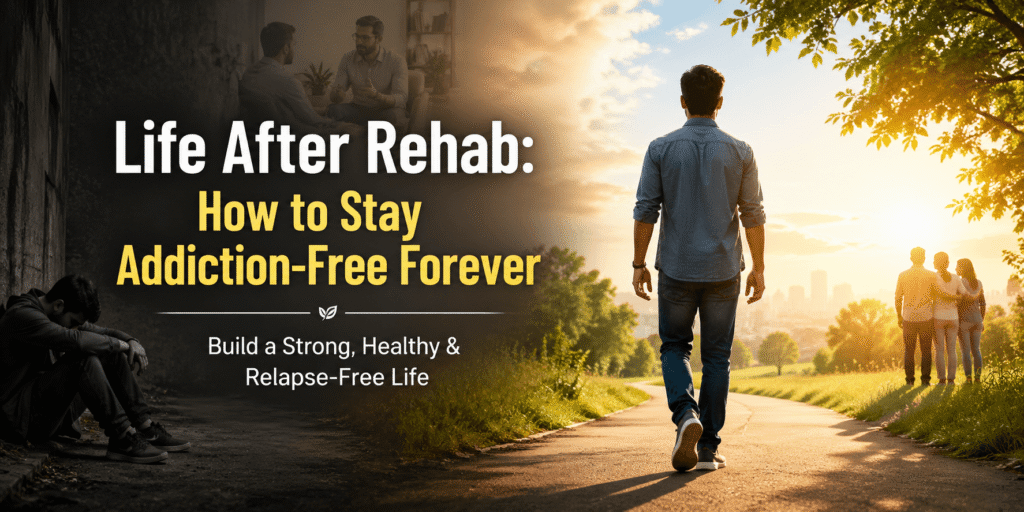
Completing a rehab program is a powerful milestone—but it’s not the end of the journey. In fact, life after rehab is where the real work begins. Recovery is not a one-time event; it’s a lifelong commitment to staying healthy, aware, and connected. The transition from a structured rehab environment back into everyday life can feel overwhelming, but with the right strategies and mindset, long-term sobriety is absolutely achievable.
This guide will walk you through practical steps, emotional tools, and lifestyle changes that help you stay addiction-free and build a fulfilling, purpose-driven life after rehab.
Understanding Life After Rehab
Rehabilitation provides a safe and supportive environment where individuals learn to detox, manage cravings, and address the root causes of addiction. However, once you step out, you face real-world triggers—stress, relationships, work pressure, and social situations.
This phase is often called aftercare or continuing recovery, and it is just as important as the treatment itself.
Just Read : Anxiety in Recovery: Understanding, Managing, and Overcoming It
1. Build a Strong Daily Routine
One of the biggest changes after rehab is the absence of structure. During treatment, your day is planned—from therapy sessions to meals and rest. At home, this structure disappears unless you create it.
Why routine matters:
- Reduces idle time (which can trigger cravings)
- Builds discipline and consistency
- Helps manage stress and anxiety
Tips:
- Wake up and sleep at the same time daily
- Schedule meals, exercise, and relaxation
- Set small, achievable goals
A structured life keeps your mind focused and reduces the chances of relapse.
2. Continue Therapy and Counseling
Recovery doesn’t stop when rehab ends. Continuing therapy is essential to maintain emotional balance and prevent relapse.
Options include:
- Individual counseling
- Group therapy
- Family therapy
- Online therapy sessions
Therapy helps you:
- Understand emotional triggers
- Develop coping strategies
- Stay accountable
Regular sessions act as a support system when challenges arise.
3. Identify and Avoid Triggers
Triggers are situations, people, or emotions that make you want to use substances again.
Common triggers:
- Stress and anxiety
- Old friends who still use substances
- Certain places (bars, parties)
- Loneliness or boredom
How to manage triggers:
- Recognize them early
- Avoid high-risk situations
- Replace unhealthy habits with positive ones
Awareness is your first line of defense.
4. Build a Support Network
Recovery becomes easier when you’re not alone. Surround yourself with people who support your sobriety.
Your support system may include:
- Family members
- Friends who respect your journey
- Support groups
- Mentors or sponsors
Benefits:
- Emotional encouragement
- Accountability
- Shared experiences
Connecting with others who understand your journey can make a huge difference.
5. Join Support Groups
Support groups provide a safe space where you can share experiences and learn from others.
Popular options:
- 12-step programs
- Non-12-step recovery groups
- Local community meetings
Why they work:
- Reduce feelings of isolation
- Offer practical advice
- Reinforce commitment to sobriety
Consistency is key—attend meetings regularly.
6. Focus on Physical Health
Your body goes through significant changes during addiction. Post-rehab is the time to rebuild your physical strength.
Healthy habits:
- Balanced diet
- Regular exercise
- Proper sleep
- Hydration
Benefits:
- Improves mood
- Reduces stress
- Boosts energy
Exercise, in particular, releases endorphins, which naturally improve your mental state.
7. Learn to Manage Stress
Stress is one of the biggest causes of relapse. Learning how to handle it in healthy ways is essential.
Effective techniques:
- Meditation
- Deep breathing exercises
- Yoga
- Journaling
Tip:
When stress builds up, don’t ignore it—address it immediately with a healthy coping method.
8. Set Realistic Goals
After rehab, it’s important to rebuild your life step by step.
Start with:
- Short-term goals (daily or weekly)
- Medium-term goals (career, education)
- Long-term goals (life purpose, relationships)
Examples:
- Finding a job
- Repairing relationships
- Learning new skills
Achieving goals boosts confidence and gives your life direction.
9. Avoid Overconfidence
One common mistake is thinking, “I’m cured, I don’t need support anymore.”
Addiction is a chronic condition, and staying sober requires ongoing effort.
Remember:
- Recovery is a lifelong journey
- Staying cautious is a strength, not weakness
- Continue practicing what you learned in rehab
10. Repair Relationships
Addiction often damages relationships with family and friends. Rebuilding trust takes time.
Steps to heal relationships:
- Be honest and transparent
- Apologize sincerely
- Show consistent positive behavior
- Be patient
Strong relationships provide emotional stability and support.
11. Stay Busy with Meaningful Activities
Idle time can lead to negative thoughts. Keeping yourself engaged helps maintain focus.
Activities to consider:
- Hobbies (music, art, sports)
- Volunteering
- Learning new skills
- Career development
Meaningful activities create a sense of purpose and fulfillment.
12. Have a Relapse Prevention Plan
Relapse doesn’t happen suddenly—it’s a process. Having a plan helps you act quickly.
Your plan should include:
- Warning signs to watch for
- People to contact in difficult times
- Emergency coping strategies
Example:
If you feel strong cravings:
- Call a support person
- Attend a meeting
- Practice relaxation techniques
Preparation is your safety net.
13. Celebrate Milestones
Every day of sobriety is an achievement.
Celebrate:
- 1 week sober
- 1 month sober
- 6 months or 1 year milestones
Rewards don’t have to be big—acknowledging progress keeps you motivated.
14. Stay Educated About Addiction
Understanding addiction helps you stay aware and prepared.
Learn about:
- How addiction affects the brain
- Relapse warning signs
- New coping techniques
Knowledge strengthens your recovery journey.
15. Consider Sober Living Environments
If returning home feels risky, sober living homes can be a great option.
Benefits:
- Structured environment
- Drug-free space
- Peer support
They act as a bridge between rehab and independent living.
16. Practice Self-Compassion
Recovery is not perfect. You may face setbacks, emotional struggles, or moments of doubt.
Be kind to yourself:
- Don’t dwell on past mistakes
- Focus on progress
- Accept that healing takes time
Self-compassion builds resilience and mental strength.
17. Stay Connected to Your Purpose
Addiction often disconnects people from their purpose. Recovery is a chance to rediscover it.
Ask yourself:
- What motivates me?
- What kind of life do I want?
- How can I help others?
Having a purpose gives meaning to your sobriety.
Also Read : How to Choose a Reliable De-Addiction Center for Smoking – Complete Guide
Conclusion
Life after rehab is a journey of growth, healing, and transformation. Staying addiction-free forever is not about perfection—it’s about consistency, awareness, and support.
By building healthy habits, staying connected to your support system, and continuously working on yourself, you can create a life that is not only free from addiction but also full of happiness and purpose.
Recovery is not just about quitting substances—it’s about building a better life.
FAQs: Life After Rehab
1. Is relapse common after rehab?
Yes, relapse can happen, but it doesn’t mean failure. It’s a sign that adjustments are needed in your recovery plan.
2. How long does recovery last?
Recovery is a lifelong process. However, it becomes easier with time as you build strong habits and coping skills.
3. What should I do if I feel cravings?
Immediately use coping strategies such as calling a support person, attending a meeting, or practicing relaxation techniques.
4. Can I live a normal life after rehab?
Absolutely. With the right support and habits, you can live a healthy, successful, and fulfilling life.
5. Do I need therapy after rehab?
Yes, continued therapy is highly recommended to maintain emotional balance and prevent relapse.
6. How can family help in recovery?
Family can provide emotional support, encouragement, and accountability, which are crucial for long-term success.
7. What are the biggest challenges after rehab?
Common challenges include managing triggers, rebuilding relationships, and adjusting to daily life.
8. Are support groups necessary?
While not mandatory, support groups greatly increase the chances of long-term recovery.
9. How do I rebuild my confidence?
Set small goals, celebrate achievements, and stay consistent in your recovery efforts.
10. Can stress cause relapse?
Yes, unmanaged stress is a major trigger. Learning stress management techniques is essential.